Online therapy for Muslims

Therapy that aligns with your Deen.

Work with Muslim therapists who understand your faith and culture. Whether you’re facing anxiety, trauma, family challenges, or marriage concerns, you’ll receive support that aligns with your values.

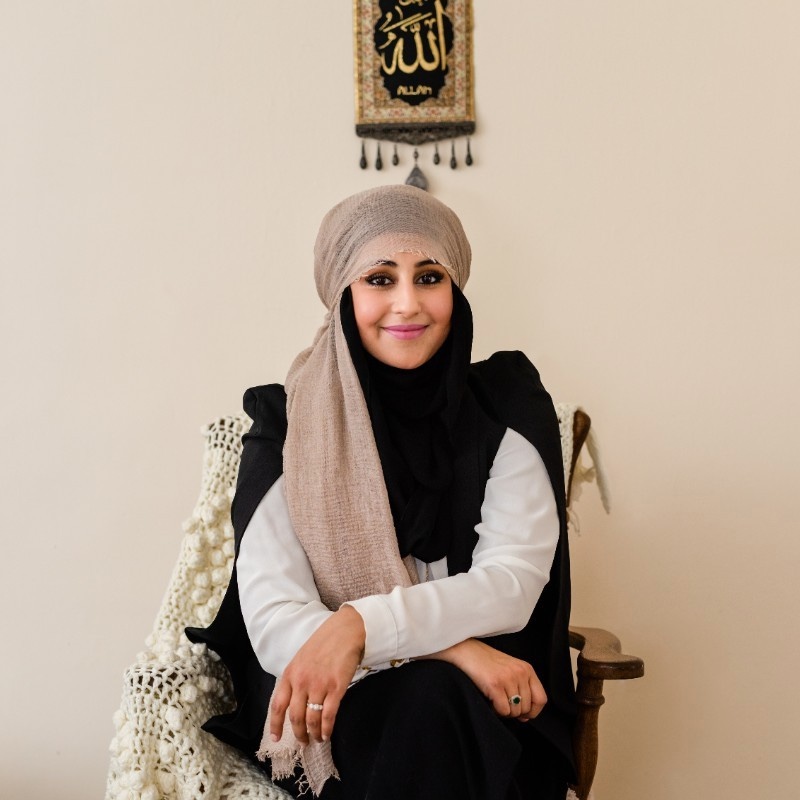
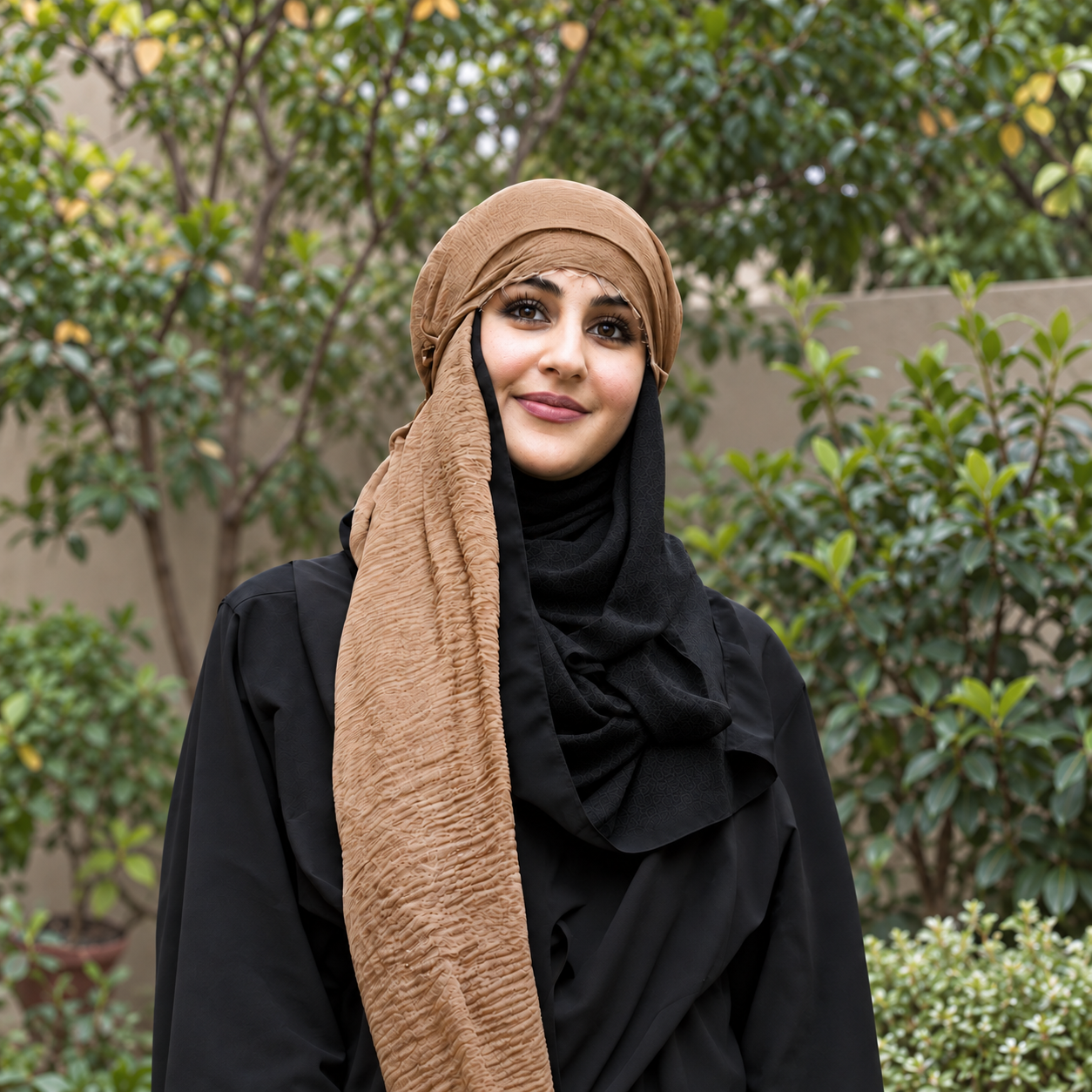
Kashmir Maryam, MFT at Heal Therapy Clinic
Kashmir Maryam, MFT Founder of Heal Therapy

Assalamu Alaykum, and welcome. I’m Kashmir, a marriage and family therapist and author. I founded Heal Therapy to help our Muslim community find care that understands our faith and lived experiences.

@healtherapyclinic

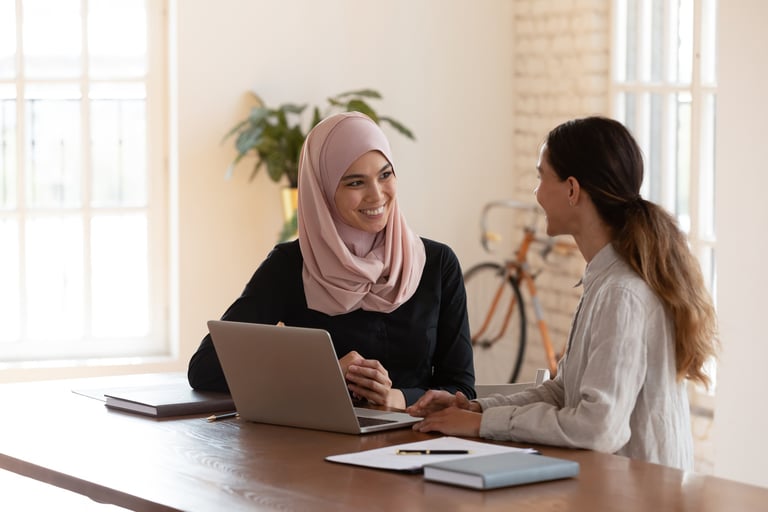
Therapy session at Heal Therapy Clinic
Licensed Muslim Therapists: Ready to meet you where you are

About our practice

No judgment, just support.

At Heal Therapy Clinic, we provide online therapy for Muslims looking for support that aligns with their Islamic values. If you're searching for a therapist who understands your faith, culture, and family dynamics, our approach combines evidence-based counseling with faith-informed care, so you can get help without compromising who you are.

We support individuals, couples, and families through challenges such as anxiety, grief, relationship struggles, and family conflict. Many clients come to us specifically for Muslim marriage counseling or couples therapy, where we help rebuild trust, improve communication, and strengthen relationships in a way that respects Islamic principles.

Our sessions are confidential, practical, and focused on real-life outcomes, giving you a safe space to talk openly and move forward with clarity and support.

  • Families dealing with intergenerational conflict
  • Couples needing marital or premarital counseling
  • Reverts to Islam adjusting to new beliefs and family dynamics
  • Individuals feeling marginalized within or outside their communities
  • Those dealing with spiritual struggles or crises

Meet the Team

The people behind your care

Kashmir Maryam

Kashmir Maryam, M.A., LAMFT

Founder & Director | Marriage and Family Therapist

Kashmir supports couples navigating relationship challenges, betrayal, and disconnection. Her warm, gently direct approach helps clients understand deeper patterns and build healthier relationships, with the option to integrate Islamic principles and spirituality.

Read full bioShow less for Kashmir Maryam

Kashmir Maryam is a Marriage and Family Therapist, author, and Founder and Director of Heal Therapy. She specializes in couples therapy, marriage and relationship dynamics, infidelity and betrayal recovery, attachment, premarital counseling, and family dynamics.

Kashmir helps couples understand the deeper patterns beneath conflict and disconnection, including attachment needs, communication cycles, family-of-origin experiences, and unresolved hurt. She has a particular interest in supporting couples navigating infidelity and betrayal, helping them work through questions of trust, accountability, repair, and the future of their relationship.

As a Muslim therapist, Kashmir offers clients the option of thoughtfully integrating Islamic principles and spirituality with evidence-informed therapy. Her approach is warm, compassionate, and gently direct, with an emphasis on helping clients create healthier, more secure relationships.

Beyond her clinical work, Kashmir is the author of six books exploring faith, emotional well-being, resilience, and personal growth. She founded Heal Therapy to create a space where Muslim individuals, couples, and families can receive high-quality mental health care while feeling culturally and spiritually understood.
Safa Alqudah

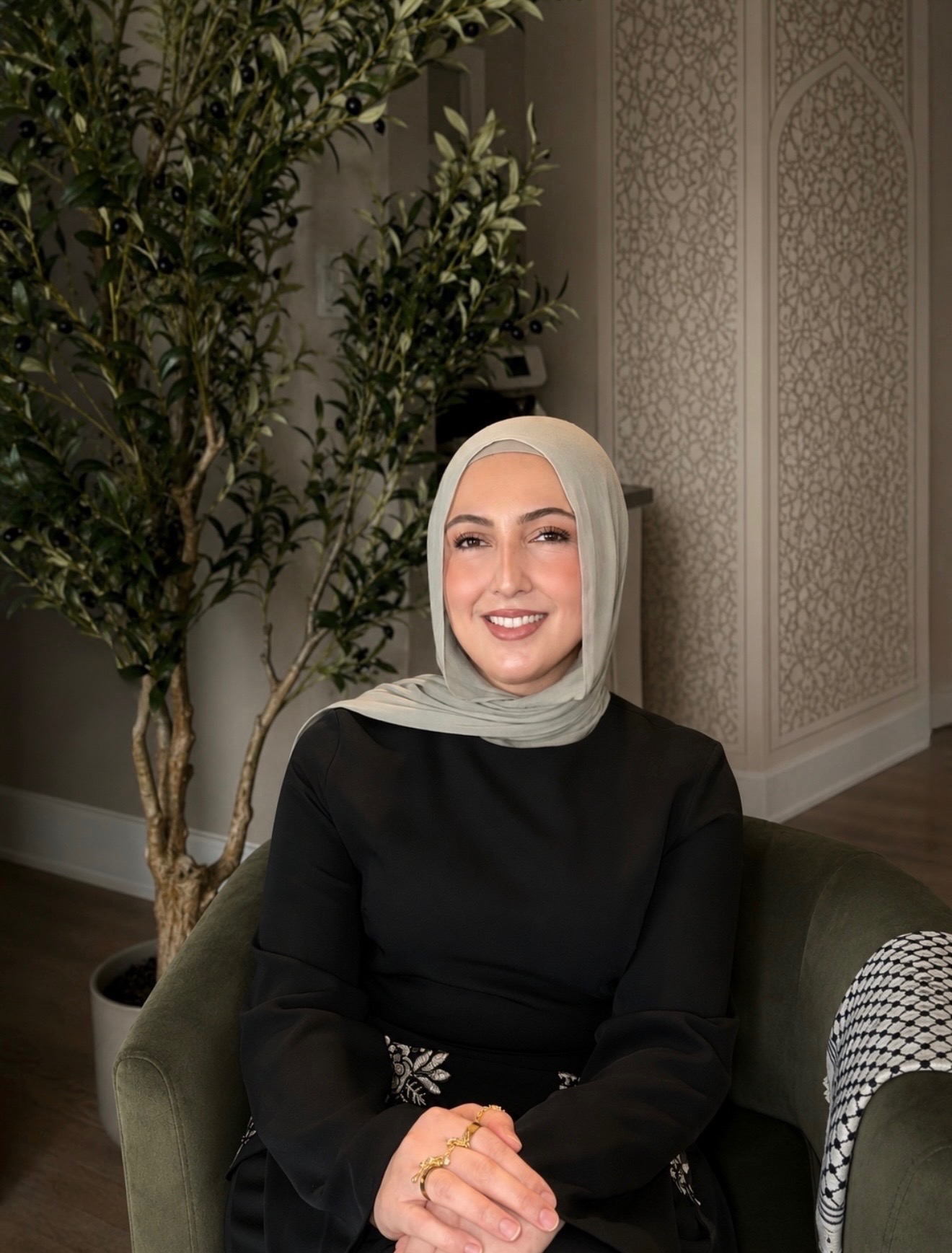
Safa Alqudah M.S., MFT

Marriage and Family Therapist

Safa offers compassionate, individualized care for children, adolescents, adults, couples, and families. Her collaborative approach draws on evidence-based practices and creates space for clients to feel understood, with culturally responsive, faith-informed support.

Read full bioShow less for Safa Alqudah M.S.

Safa Alqudah is a Marriage and Family Therapist whose educational journey reflects her longstanding passion for understanding both the human experience and the role of faith in our lives. She earned her bachelor's degrees in Psychology and Religious Studies from the University of Houston before completing graduate degrees in Human Development and Family Sciences and Marriage and Family Therapy at Texas Woman's University.

Safa works with children, adolescents, adults, couples, and families, providing compassionate, individualized care grounded in evidence-based practices. She has received specialized training in Trauma-Focused Cognitive Behavioral Therapy (TF-CBT), along with training in a variety of therapeutic modalities, allowing her to tailor treatment to each client's unique needs, strengths, and goals.

Safa believes therapy is most meaningful when clients feel safe enough to be fully themselves. She strives to create a warm, welcoming, and nonjudgmental space where clients feel heard, valued, and supported as they navigate life's challenges. Her approach is collaborative, compassionate, and rooted in the belief that healing happens through authentic connection, curiosity, and hope. While she enjoys working with individuals from all backgrounds, she especially values the opportunity to provide culturally responsive, faith-informed care to Muslim individuals, couples, and families seeking a therapist who understands the importance of both their mental health and their faith.

Outside of the therapy room, Safa is someone who finds joy in life's simple moments. Her faith is central to who she is and shapes the way she approaches both life and relationships. Whether she's searching for a new coffee shop, listening to an audiobook on a long drive, planning a spontaneous adventure, or finding inspiration through modest fashion as a beautiful expression of her faith and identity, she appreciates the little things that bring balance, creativity, and connection to everyday life.

Safa considers it a privilege to walk alongside people during some of life's most vulnerable moments. Her hope is that every client leaves each session feeling a little lighter, a little more understood, and a little more hopeful than when they arrived.

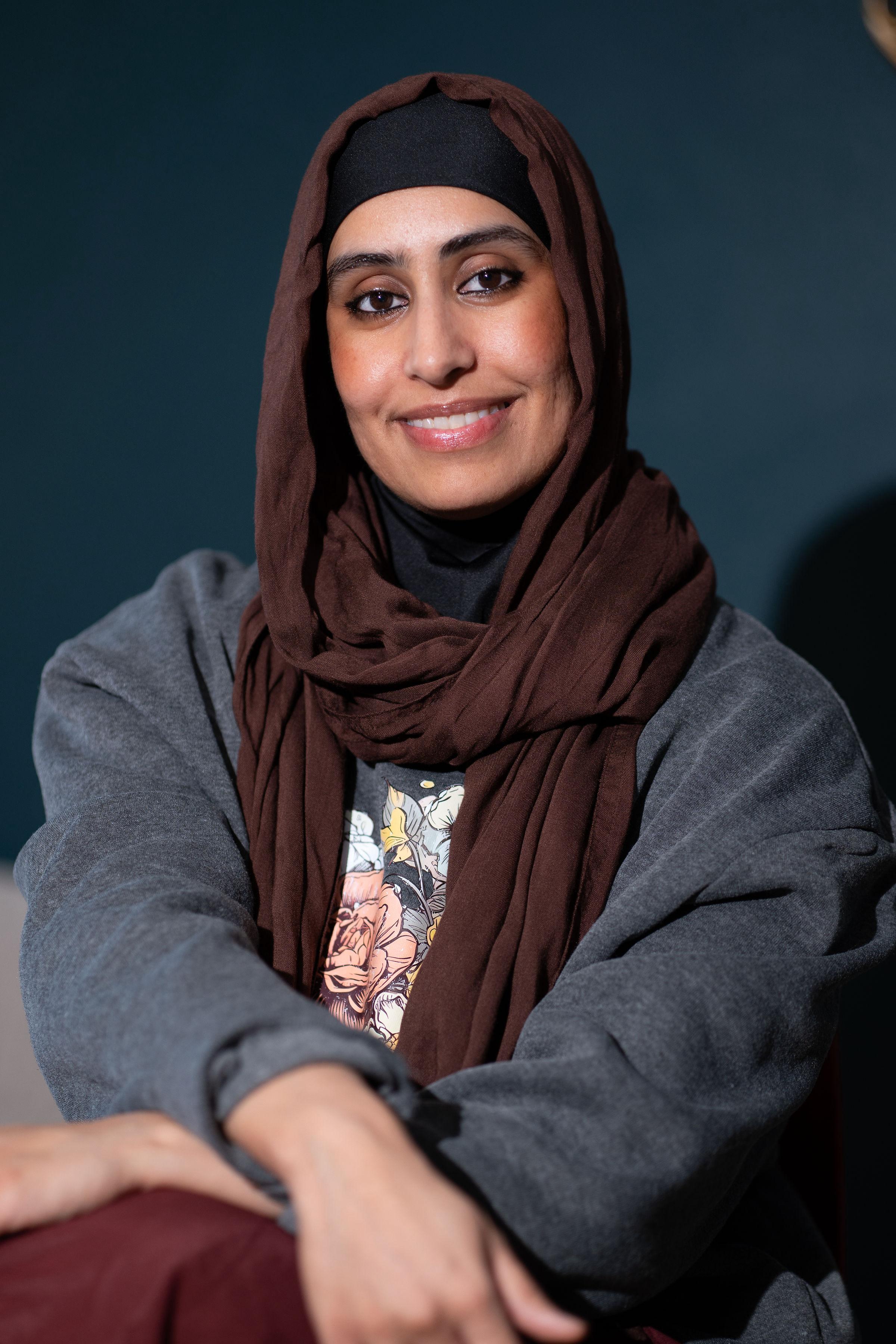
Aishah Alam

Aishah Alam, B.S. Social Work & Islamic Studies

Certified Integrative Somatic Practitioner

Aishah helps individuals explore the connection between body, emotions, and spiritual life. Her warm, reflective approach brings together somatic practice and an Islamic perspective, supporting greater awareness, grounding, and connection with themselves.

Read full bioShow less for Aishah Alam

Aishah Alam is a Certified Somatic Practitioner whose work centers on the connection between the body, emotional well-being, and spiritual life. Through a somatic approach, she helps individuals develop greater awareness of how stress, trauma, and difficult life experiences can be held in the body, supporting them in reconnecting with themselves in a more grounded and compassionate way.

Aishah’s approach is uniquely informed by her interdisciplinary background. She holds a degree in Islamic Studies from Mishkah University and studied Social Work at CUNY in New York, allowing her to thoughtfully bring together somatic practice, psychological understanding, and an Islamic perspective on healing and the inner life.

She is also an author and the founder of Strange Inc., a nonprofit community serving Muslim creatives and families. Across her writing and community work, Aishah explores themes of faith, belonging, trauma, conscience, and spiritual return.

At Heal Therapy, Aishah brings a warm, reflective, and body-centered approach to her work, creating space for clients to slow down, better understand their internal experiences, and cultivate a deeper sense of connection between mind, body, and faith.

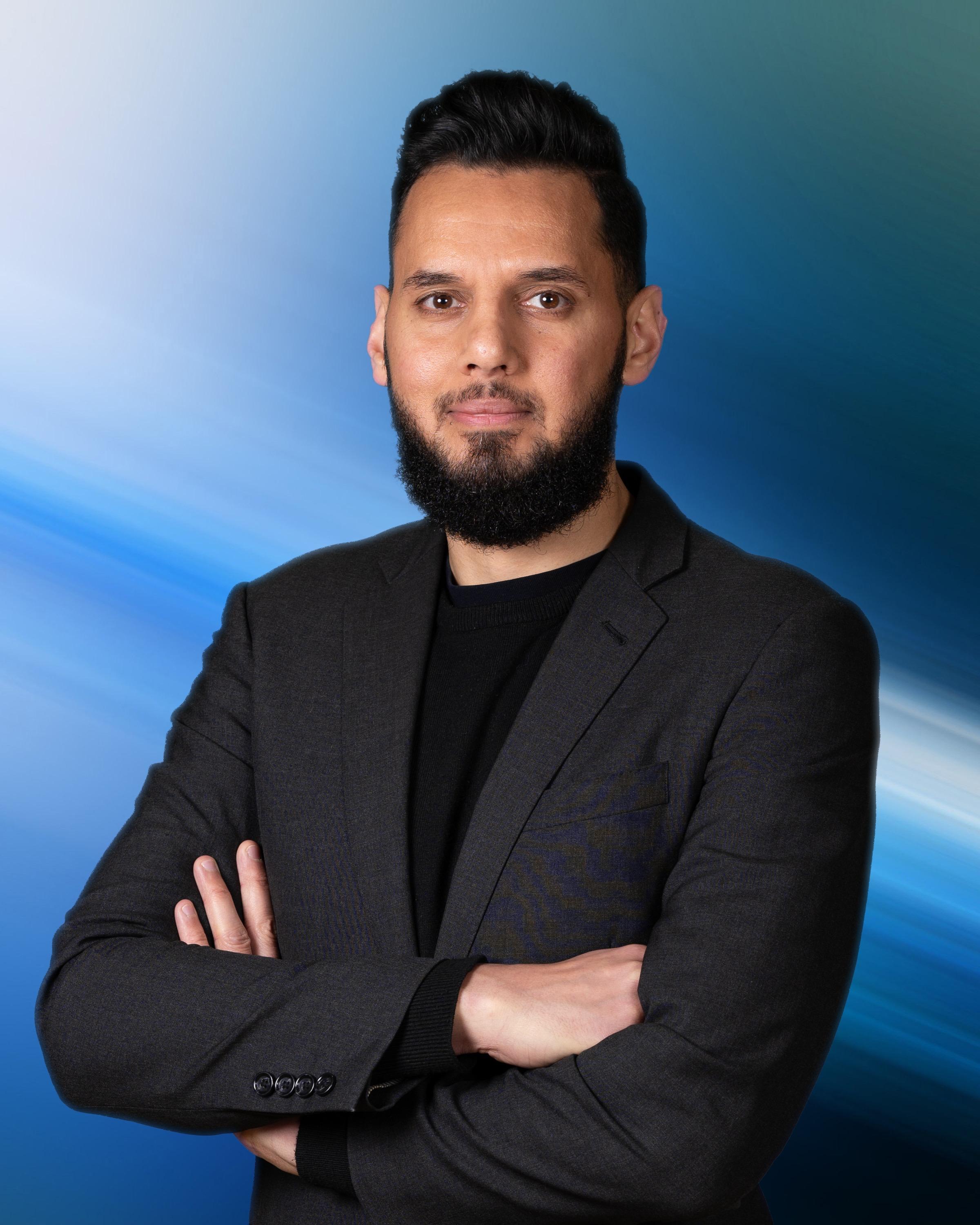
Assad Nasralla

Assad Nasralla M.A.

Mental Health Professional

Assad supports individuals through personal and professional growth with practical coaching and mental health principles. Drawing on education and leadership experience, he helps Muslim men explore stress, relationships, identity, and life transitions.

Read full bioShow less for Assad Nasralla M.A.

Assad Nasralla is mental health professional and life coach with a background in education, leadership, and supporting individuals through personal and professional growth. Drawing on years of experience working with students, families, educators, and communities, his approach is grounded, practical, and focused on helping people better understand themselves, navigate challenges, and move toward meaningful change.

Before transitioning further into coaching and mental health, Assad spent eight years as a principal and assistant principal, leading a K–12 school community of more than 300 students and 40 staff. His work extended beyond academics and operations into trauma-informed practice, social-emotional learning, mentorship, leadership development, and creating environments in which people could thrive.

As a Muslim coach, Assad brings an understanding of the cultural, relational, and spiritual contexts that can shape the experiences of Muslim men and families. He is particularly passionate about creating a space where Muslim men can speak openly about challenges that are often carried quietly, including stress, relationships, identity, purpose, emotional well-being, family responsibilities, and navigating major life transitions.

Fordham-trained in educational leadership, with an academic background in biology and certification in life coaching, Assad brings together evidence-informed mental health principles, years of leadership experience, and a practical coaching approach to help individuals build greater clarity, resilience, self-awareness, and direction.

Evidence-Based Methods

Therapy techniques backed by research

Therapy guided by faith

Support that honors your beliefs

100% online

Join from your phone, tablet, or laptop. No commute, no waiting room, no one needs to know

Pay as you go

Flexible, pay-as-you-go therapy that fits your schedule

Services

Services we offer

01

Individual Therapy

Focused care for anxiety, grief, emotional regulation, trauma recovery, and identity stress with a roadmap that evolves as you do.

02

Couples Counseling

Repair communication patterns, interrupt destructive cycles, and rebuild the emotional trust your relationship needs to thrive.

03

Family Therapy

Navigate intergenerational stress, set boundaries that stick, and build a family dynamic grounded in mutual respect and understanding.

Your Journey

How to get started.

1

Schedule Your Intake Consultation

Book a time that works for you and take the first step toward support.

2

Complete Paperwork and Assessments

Complete a brief intake form and personality assessment so we can better understand your needs.

3

Get Matched with a Therapist

Based on your results, we pair you with the therapist who fits your needs best.

4

Start Your First Session Within 48 Hours

No long waits. You begin real therapy within two days of being matched.

Watch our YouTube Conversations

…on marriage, relationships, mental health and emotional well-being through an Islamic Lens

From Our Substack

Read our latest articles

... on Muslim mental health and relationships

He’s a Good Man But I’m Not Attracted to Him article cover

He’s a Good Man… But I’m Not Attracted to Him

A Muslim Therapist's Perspective on Attraction, Compatibility, and Choosing a Spouse.

Read on Substack
Hidden Signs You're in an Abusive Marriage article cover

Hidden Signs You’re in an Abusive Marriage

A therapist’s perspective on patterns that are often overlooked or misunderstood.

Read on Substack
The Narcissist article cover

The Narcissist (who doesn't look like one)

Understanding vulnerable narcissism through an Islamic lens.

Read on Substack

Start Here

Your next chapter begins with one conversation.

Book a free consultation. No pressure, no commitment, just a clear first step toward the support you deserve.

Book Free Consultation

Frequently Asked Questions

Choose a topic to jump to the questions most relevant to you.

Faith & Values

Is therapy halal?

Absolutely. Seeking help for your mental and emotional wellbeing is fully compatible with Islam. Therapy sits alongside dua, tawakkul, and other spiritual coping skills. Many clients find that caring for their mental health actually strengthens and deepens their connection with Allah (swt).

Will therapy conflict with my Islamic values?

No. Our approach is designed to respect and align with your Islamic values, your family, and your cultural background. You won't be asked to compromise your beliefs, and instead, we work with them as an important part of your life and identity.

Do you incorporate Islamic principles into sessions?

Yes, where it feels helpful and appropriate for you. Some clients prefer a more faith-centered approach, while others simply want a therapist who understands their background. We meet you where you are.

Can I go to therapy if I'm struggling with my faith?

Yes. You do not need "strong iman" before starting therapy. You can come feeling connected, disconnected, uncertain, overwhelmed, or somewhere in between.

I've tried making du'a. Why do I still feel this way?

This can feel confusing. Speaking to Allah (swt) does not make you immune to stress, anxiety, grief, conflict, or pain. Sometimes healing includes prayer, reflection, support, and learning new ways to cope.

Is it normal to feel guilty for needing therapy as a Muslim?

A lot of Muslims feel this. Wanting support does not mean you are weak or ungrateful. You can care for your mental health and care about your deen too.

Will a Muslim therapist judge me?

Therapy should feel safe. You do not need perfect iman, a perfect marriage, or the right words. You can show up exactly as you are.

Getting Started

Can I start therapy even if I'm not in crisis?

Yes. Many people start therapy because they want:

  • healthier relationships
  • more emotional clarity
  • support through transitions
  • stronger communication
  • preventative care

You do not have to wait until things feel overwhelming.

Can therapy help with anxiety, stress, or grief?

Yes. We regularly support clients dealing with anxiety, overwhelm, burnout, and loss. Therapy can help you understand what you're experiencing and give you practical tools to cope and move forward.

What happens after I book a consultation?

We'll talk about what brings you in, answer questions, and help you think through next steps.

You can ask about fit, goals, session frequency, and whether individual, couples, or premarital therapy makes the most sense for you.

There's no pressure to commit before you feel ready.

How do I know whether I need individual therapy or couples therapy?

That depends on what feels most important right now.

Individual therapy can help if you want space to focus on yourself, emotions, stress, identity, relationships, or personal growth.

Couples therapy creates space for both partners to understand patterns, improve communication, and strengthen connection together.

If you're unsure, we can help you decide during your consultation.

How do I find a Muslim therapist who understands Islam?

Many Muslims want someone who understands faith, family, culture, and mental health together.

At Heal Therapy, you do not have to explain every part of your identity before feeling understood.

Should I see a Muslim therapist or a regular therapist?

There is no single right answer. Some people want shared faith and values. Others focus more on experience or fit. The most important thing is feeling safe, understood, and supported.

What if I've never had therapy before?

That's completely okay. Many of our clients are new to therapy. You don't need to have the "right words" or know where to start. We will guide the process and help you feel comfortable from the very first session.

I've never talked about feelings before. Is therapy still for me?

Yes. You don't need to know what to say. Therapy can be a place to slow down and understand yourself in a new way.

How do I know if therapy is helping?

You may notice:

  • more clarity
  • calmer conversations
  • less reactivity
  • stronger boundaries
  • feeling more understood

Progress does not always feel dramatic.

What if I don't feel comfortable after the first session?

Finding the right fit matters. If something doesn't feel right, we encourage you to share your feedback. Therapy works best when you feel comfortable, and we'll always support you in finding what works best for you.

How do I know if this is right for me?

If you're looking for therapy that understands your faith, your culture, and your lived experience as a Muslim, you're in the right place. The first step is simply reaching out and we can take it from there together.

Sessions & Pricing

Is therapy confidential?

Yes. Everything you share is kept strictly confidential, so you can speak freely and honestly. Creating a space where you feel safe and respected is at the heart of our work.

How do online therapy sessions work?

Sessions take place online via secure video, allowing you to access support from the comfort and privacy of your own space. This makes it easier to fit therapy into your schedule, wherever you are.

How long are sessions?

Sessions are approximately 50 minutes long.

How often should I meet with my therapist?

There is no one schedule that works for everyone.

Some clients meet:

  • weekly
  • every other week
  • once a month

Your therapist can make a recommendation during your consultation based on your goals and what support looks like for you.

You always have a say in deciding what frequency feels realistic and sustainable.

Do I need to commit to weekly therapy?

No.

Some people start weekly and adjust later. Others begin every other week from the start.

We'll help you find a rhythm that fits your life, goals, and capacity.

Do you accept insurance?

At this time, we do not accept insurance.

Many of our clients choose private pay because they prefer more privacy, flexibility, and care that is tailored to their goals.

If you have questions about payment or want to talk through options before booking, we're happy to help.

How much does therapy cost?

Our session rates are:

  • Couples Therapy / Premarital Therapy: $175 per session
  • Individual Therapy: $150 per session

We believe therapy should feel clear and transparent, so you'll always know session fees upfront.

Do you offer sliding scale therapy?

Yes. We offer a limited number of sliding scale spots each month.

If cost feels like a barrier, you're welcome to reach out.

To determine eligibility, our billing team may ask for more information about your financial situation before confirming a reduced rate.

Availability is limited and changes month to month.

Do you offer flexible or pay-as-you-go sessions?

Yes. We offer flexible, pay-as-you-go therapy so you can access support without long-term commitments. You can book sessions in a way that works for your schedule and your needs.

Couples & Marriage

Do you offer Muslim marriage counseling?

Yes. We specialize in Muslim couples therapy and marriage counseling, helping couples improve communication, rebuild trust, and navigate challenges in a way that respects their values and relationship goals.

Is couples therapy only for couples in crisis?

No. Many couples come because they want:

  • stronger communication
  • support before marriage
  • more connection
  • help during transitions
  • healthier habits
Can a therapist understand Muslim marriage and family dynamics?

Many Muslim relationships include family expectations, cultural values, religion, community pressure, and different life experiences.

What actually happens in Muslim couples therapy?

Every couple is different.

Sessions may include:

  • understanding conflict
  • improving communication
  • rebuilding emotional safety
  • talking about expectations
  • strengthening connection
  • working through difficult seasons
What if my partner doesn't want to come to therapy?

That's more common than you might think. You can still benefit from individual sessions, where we focus on helping you navigate the situation, improve communication, and gain clarity on your next steps.

I want therapy but I'm scared someone will tell me to leave my marriage.

This concern is more common than you might think. Therapy creates space to understand patterns, improve communication, rebuild trust, and think more clearly together. You decide what matters for your relationship.

Can therapy help me become a better spouse?

Therapy can prepare you for marriage. In pre-marital counseling you will learn to:

  • communicate more clearly
  • understand emotions
  • respond instead of react
  • build healthier habits
  • feel more connected

Still have questions?

We're here to help. Reach out anytime, or book your first session to take the next step toward support that respects both your wellbeing and your faith.